Let's talk about the weirdness first
Months apart does something to a relationship. Not always something bad, but something real. You come back together and suddenly you're navigating each other's bodies like you're learning them for the first time, except you're not. You know them. You know them too well. And that gap between what you remember and what's actually happening in real time? That's where the awkwardness lives.
Here's the thing nobody tells you: that awkwardness is completely normal, and it's also completely solvable. The solution isn't forced date nights or mandatory sex. It's lowering the stakes while raising the actual pleasure.
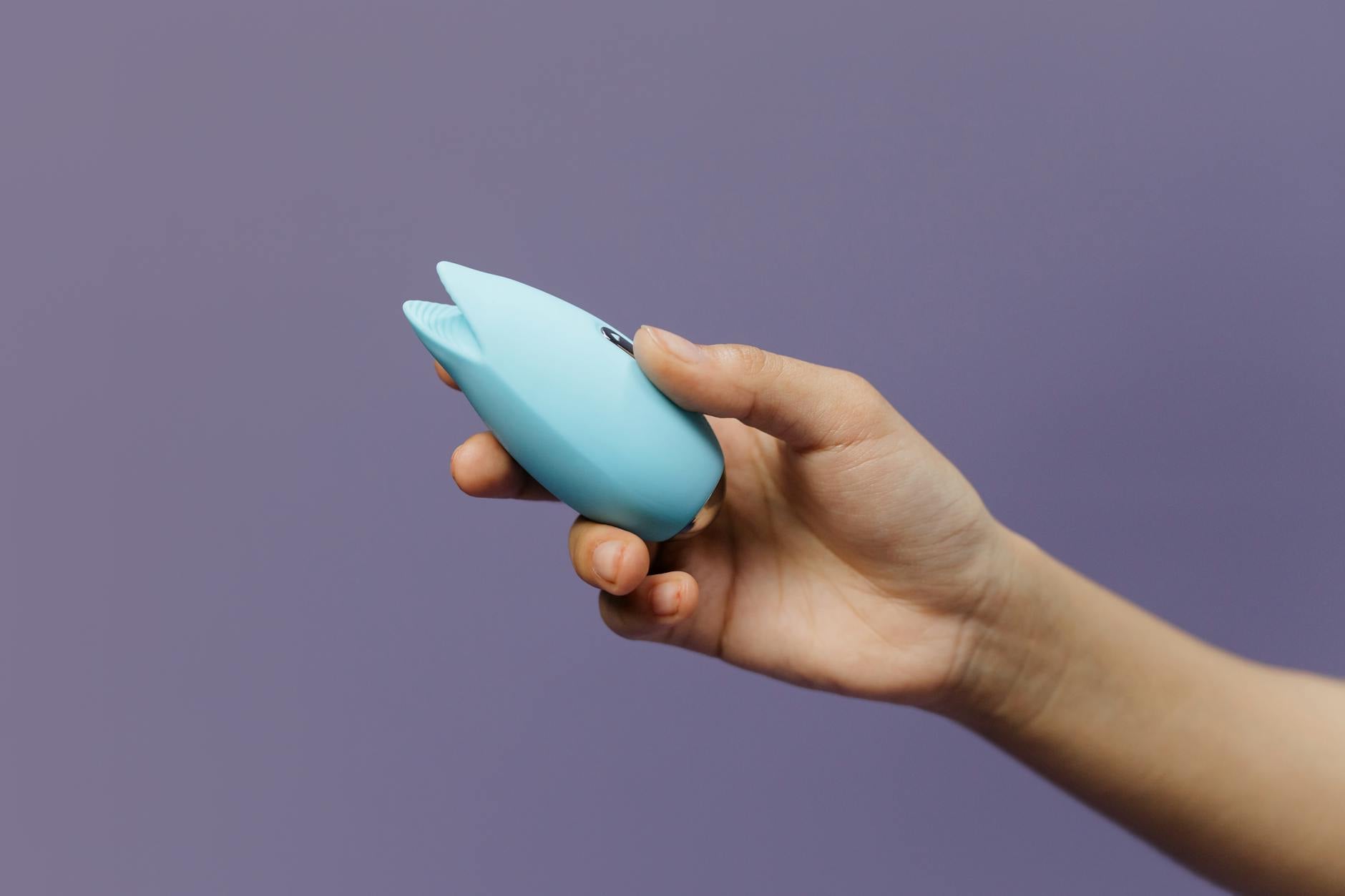
That's where lemon clitoral vibrators come in. Not as a Band-Aid. As a reset button.
Why toys work when you're rebuilding
When you've been apart for months, there's an invisible pressure that builds. Someone has to make the first move. Someone has to be the one who wants it first. That pressure kills intimacy faster than distance ever could.
Lemon vibrators change the dynamic. Here's why:
They deprioritize penetration and performance. A lot of the anxiety couples feel after time apart comes from unspoken pressure around "real" sex. Will it work? Will it feel like it used to? What if I'm nervous? What if they are? Introducing a clitoral vibrator strips away those questions. You're not trying to recreate anything. You're building something new together.
They slow things down by design. Air-suction technology (which tools like the Lem use) requires exploration. You're not racing to a finish line. You're discovering sensation together. That exploration is intimate in a way that penetration often isn't after time apart.
They give both partners permission to focus on receiving. If you've been apart, there's often an unconscious drive to "make up for it" through effort. Toys reframe it: you can take turns. You can receive fully without feeling guilty. That permission matters more than you'd think.
How to start the conversation (without making it weird)
Here's where most couples miss the mark. They either don't mention it at all or they turn it into a production.
Neither works.
The actual move: bring it up in a moment of genuine connection, not in bed. Over coffee, after a walk, when you're actually talking. Say something like: "I've been thinking about us getting back to good. I found this thing that might help us both relax and not overthink it. You interested?" That's it. No selling. No long explanation. If they say yes, great. If they hesitate, ask what the hesitation is. Often it's just a myth they've absorbed about toys (that they somehow replace partners, which they don't).
If they're skeptical, showing them the research helps. Couples who use vibrators report higher satisfaction and less performance anxiety. It's not controversial. It's data.
The first time back together using toys
Expect it to feel slightly awkward. That's fine. Here's how to manage it.
Start solo first. Seriously. If one or both of you haven't used lemon sexual toys before, exploring them alone removes the performance element entirely. You get to understand how your body responds, what patterns feel good, how sensation actually works. That knowledge makes the partnered experience infinitely less weird.
When you do use them together, start in a context that's already intimate but lower pressure. Lying in bed together, taking time. Not right before sleep when you're both tired. Not immediately after a stressful day. Pick a time when you both have actual capacity.
One partner uses the toy on themselves while the other watches and touches them. That's it. You're not performing together yet. You're learning to receive in front of each other. That's the whole goal of round one.
Creating a rhythm that actually works
After time apart, couples often swing between extremes: either they're trying to make up for lost time sexually (which burns out fast) or they're avoiding it entirely (which makes the distance feel permanent).
Lemon vibrators help you find a middle ground. A sustainable rhythm.
What I recommend: once a week, set aside 20-30 minutes. Not as a chore. As something you both look forward to. Low pressure, high pleasure. You're not trying to have a particular outcome. You're just reclaiming intimacy as something that feels good, not stressful.
In those sessions, take turns. One person receives while the other participates. Use the time to talk. "Does this feel good?" "What if we tried this pattern instead?" Communication that happens during pleasure literally rewires your nervous system toward each other. You're rebuilding association between your partner and feeling good.
After a few weeks of that, things usually start to organically shift. Partners want to have sex again. Not because they're being good partners or checking a box. Because pleasure has become linked to each other again.
What changes when you add intentionality
Something subtle happens when couples use lemon clitoral vibrators together intentionally. The quality of touch changes. The quality of presence changes.
Instead of sex being something that happens to you, it becomes something you're both actively choosing moment to moment. That's the actual intimacy rebuild. Not the toy. The attention.
Partners who've been apart often describe coming back together as feeling like they're with someone new. That can be unsettling. But it can also be kind of hot if you stop resisting it. Toys create space for that novelty to be explored as a feature, not a bug.
When to escalate beyond toys
There's usually a natural moment when couples are ready to move beyond the toy-focused reconnection phase.
You'll notice it because you'll both feel it. The awkwardness dissolves. Touch starts to feel familiar again. The pressure lifts. At that point, toys can stay part of your routine (they should, honestly) but they stop being the centerpiece.
The goal was never to depend on the toy. The goal was to use it as a bridge back to each other. That bridge has done its job when you feel like partners again instead of people who are trying to remember how to be partners.
The things nobody mentions
Here are a few things I've seen couples miss.
First: lube is your friend. Even if you didn't need it before. Time and stress change things. Water-based lube makes everything easier and feels better. It's not a sign something's wrong.
Second: your brain is part of the reconnection, not separate from it. If you're anxious about being apart, your body will be tight, sensation will be muted. That's not a toy problem. That's a nervous system problem. Address the anxiety separately (therapy, conversations, whatever helps) and the physical pleasure follows.
Third: mismatched desire is normal after time apart. One person might be ready to jump back in, the other might need more time. Don't use the toy to force it. Use it to create low-pressure opportunities for desire to return on its own timeline.
FAQ
How long does it usually take to feel normal together after months apart?
There's no set timeline, but most couples I work with report that intentional reconnection over 4-6 weeks shifts things noticeably. The physical reconnection usually happens first. The emotional one takes a bit longer. That's normal. Your nervous system needs time to trust that they're staying.
My partner thinks using a toy means I'm not satisfied with them. How do I address that?
It's a conversation, not a debate. "I'm not using this instead of you. I'm using it with you because I want us both to feel good and relaxed together." Most of the time, once partners actually use a toy together and realize how much less stressful it makes things, that objection dissolves. Actions speak louder than explanations.
Is it better to use a lemon clitoral vibrator or a different kind of toy for couples reconnection?
Lemon vibrators, especially those with suction technology, work really well for this because they're not intimidating and they encourage exploration rather than just speed toward orgasm. But honestly, the toy matters less than the intention. Pick something you're both curious about.
What if one of us doesn't want to use toys at all?
Then don't. Forcing it makes it worse. But have a real conversation about why. Is it discomfort with the idea? A previous bad experience? Religious or personal belief? Understanding the actual barrier helps. Sometimes it's just unfamiliarity, and education shifts it. Sometimes it's a genuine boundary and that's valid too.
Should we use toys every time we have sex after reconnecting?
No. Use them when they feel right. They're amazing for reconnection specifically, and they're also great for maintaining novelty and pleasure long-term. But the goal is that sex feels good with or without them. They're an enhancement, not a requirement.
How do we even buy a vibrator together without it being awkward?
Look at The Lemon Sexual Toys site together while you're having coffee or lying in bed. Talk about what appeals to you. The Lem is a solid choice if you're not sure because it's intuitive and the suction approach feels different from what people expect. You don't need to make it mysterious. It's a tool you're buying together for pleasure you both deserve.
The actual reset
Time apart doesn't have to create a permanent gap. It usually just creates awkwardness. And awkwardness dissolves pretty fast once you give it permission and intention.
Lemon clitoral vibrators aren't magic. But they do something that matters: they make it easier to come back to each other without the weight of expectation. They say "this is supposed to feel good, and that's enough." In a moment when you're rebuilding, that's exactly what you need to hear.
If you're struggling with reconnection in ways that go deeper than just the physical, reach out. Sometimes couples need more than tools. They need an actual conversation with someone trained in helping people find their way back to each other.