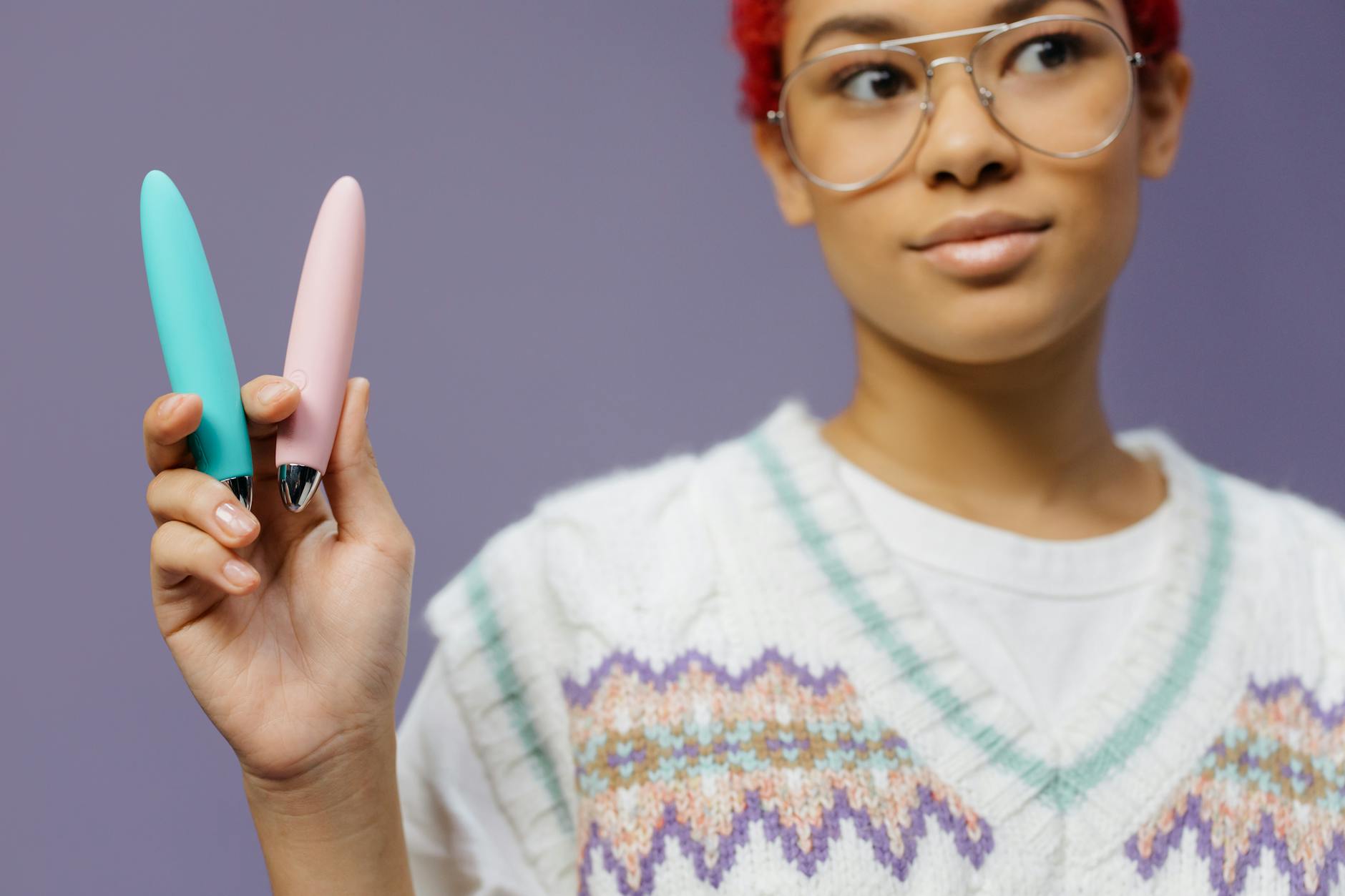
Your body's natural lubrication isn't a constant. It changes with your cycle, stress levels, medications, hydration, and dozens of other factors that have absolutely nothing to do with how turned on you are. One week it's abundant and slick. Another week it's barely there, or it's thicker, or it feels tacky instead of smooth. Most people assume this means something's wrong with them or with the moment. It doesn't. It means you need to adjust.
This matters specifically with lemon vibrators because air-suction toys interact with moisture differently than standard vibrators do. The suction seal depends on adequate moisture to work properly, but too much moisture (or the wrong texture of moisture) creates a different sensation entirely. Learning to read what's happening and adapt your technique is the difference between "this feels amazing" and "why doesn't this feel like it usually does?"
When your natural lubrication is thin and abundant, a lemon clitoral vibrator's suction creates a gentle, flowing sensation. The moisture allows the seal to form smoothly, and you feel steady, rhythmic stimulation without any drag.
When your body produces less lubrication, or when it's thicker and stickier, the dynamic changes. The suction might feel more pronounced. You might notice more pull than usual. Some people describe it as more intense. Others say it feels uncomfortable or like the toy is working harder than it should be.
Sometimes lubrication is watery and thin but sparse enough that the seal becomes inconsistent. That creates a frustrating on-off sensation where suction pulses unevenly instead of staying constant.
The thing is: none of these are problems with you or with your lemon vibrator. They're just different input conditions that need a different approach.
Natural lubrication shifts predictably if you're menstruating. During the follicular phase, estrogen rises and lubrication tends to be more abundant and thinner. After ovulation, progesterone climbs and lubrication often becomes thicker and stickier. Right before your period it might decrease entirely.
If you're on hormonal birth control, you might have less variation month to month, but you'll still notice shifts throughout the cycle or between packs.
Antidepressants, antihistamines, and blood pressure medications commonly reduce lubrication. So does dehydration. Stress floods your system with cortisol, which can suppress the hormones that trigger lubrication. Even breathing patterns matter. Shallow breathing keeps you more in your sympathetic nervous system (fight or flight), which suppresses genital blood flow and lubrication.
Age-related hormonal changes also alter lubrication texture and volume, sometimes dramatically. If you're entering perimenopause or past menopause, you might notice your body produces significantly less lubrication overall, or that what it does produce has a different quality.
When natural lubrication is sparse, thin, or just not showing up the way it usually does, add lube. This is not cheating. This is not a sign of dysfunction. This is how you maintain consistent sensation with your lemon vibrator.
Here's what I recommend.
Start with water-based lube because it matches your body's natural moisture most closely and it's compatible with any toy material. Apply a small amount directly to the toy's suction cup opening. Press it against your body gently to seat the seal, then turn it on at pattern one or two. Let it warm up for a few seconds before you adjust the intensity.
If the sensation feels muted, your body probably needs more lube than usual. Add a bit more and try again. You'll find a sweet spot pretty quickly where the seal feels secure and the sensation is what you're used to.
If you're someone whose natural lubrication is usually abundant and you suddenly feel like you need external lube, that's useful information. It might mean stress is high, you're dehydrated, or something else is shifting. Worth a quick check-in with yourself.
If external lube is now part of your regular routine and you feel good about it, that's also fine. Some people find they prefer the consistency and control.
Sometimes the issue isn't volume. It's texture. When natural lubrication is especially thick or sticky, lemon vibrators can feel less smooth. Some people say the sensation is grittier or that the toy drags more than usual.
In this case, water-based lube actually helps. It thins the consistency and creates a more uniform moisture layer. You don't need much. A teaspoon applied around the suction cup and a bit more to the area you're stimulating is usually enough.
Silicone-based lube is thicker and richer, which sounds like it would help but usually doesn't in this scenario because you're already dealing with thickness. Water-based is almost always the better choice with lemon vibrators, anyway, because silicone lube can degrade silicone toy material over time.
If your lube situation is changeable throughout a session (totally normal), or if you notice the seal feels like it's slipping in and out, here's what to do.
Wipe the suction cup opening gently with your finger every few minutes. Remove any excess or accumulated lube. Reapply a tiny bit. This takes maybe ten seconds and it resets the seal. You'll feel the difference immediately.
This is especially helpful if you're using a lemon clitoral vibrator for longer sessions. As sensation builds and your body produces more natural lubrication, moisture accumulates and can actually interfere with the seal. A quick wipe and reset prevents that.
You don't need a special formula. Any water-based personal lubricant works. Common options: Sliquid Organics, System JO, Uberlube, or whatever's at your local pharmacy in the sexual health aisle.
The main thing: avoid lube with glycerin if you're prone to yeast infections (glycerin can feed yeast). Avoid parabens if your skin is sensitive. Beyond that, it's basically personal preference on texture and feel.
Keep it somewhere convenient. Some people keep a bottle near their bed. Others use a small pump bottle they can toss in a nightstand drawer. You want it accessible enough that you'll actually use it instead of deciding it's too much hassle.
A little goes a long way. Most of the lube-related frustration I hear about comes from people using way too much. Start with the amount of a small pea and add more only if you need it.
If your lubrication has suddenly changed dramatically and you can't tie it to your cycle, stress, or anything obvious, it's worth a conversation with your doctor. Certain infections, thyroid issues, and medication side effects can affect lubrication.
If the change happened alongside other symptoms (pain, itching, unusual odor, discharge color change), get it checked sooner rather than later.
If you've been using lube but the sensation still feels off or uncomfortable, stop and reassess. Sometimes what feels like a lubrication issue is actually pressure sensitivity or a position thing. Switch to a lighter pattern on your lemon vibrator. Use less pressure when you press it against your body. Give yourself more warm-up time before you turn it on.
Your body changes. Your lube situation changes. Your technique adapts. That's not a problem. That's just how pleasure actually works.
Completely normal. Natural lubrication changes consistency throughout your menstrual cycle, throughout the day, and depending on hydration levels and arousal intensity. Thicker lubrication usually shows up in the luteal phase (after ovulation) and watery lubrication is more common in the follicular phase (before ovulation). Both are healthy.
Yes. Stress activates your sympathetic nervous system (the fight-or-flight response) and suppresses parasympathetic function, which is responsible for sexual response and lubrication. High stress, poor sleep, and anxiety all reduce natural lubrication. If you notice a sudden decrease, look at your overall stress level first.
Water-based lube is your safest bet because it's compatible with all toy materials and mimics natural moisture. Avoid silicone-based lube with silicone toys. Avoid oil-based lube because it can degrade toy material and is harder to clean. Water-based works with condoms too if that matters for you.
No. Using lube means you're adjusting for conditions that change. Hormones shift. Medications affect lubrication. Stress suppresses it. Age changes it. Using lube is solving a practical problem, not covering up a dysfunction. You deserve a consistent, pleasurable experience and lube is how you get that.
Stick with one water-based lube that works for your skin and feels good to you. Switching constantly makes it harder to tell what's actually affecting sensation. Once you find one you like, buy it in bulk. You'll use it. And consistency in lube means you're isolating other variables so you actually know when your body or situation has changed.
Water-based commercial lube is better because it's pH-balanced and formulated to be safe for genital tissue. Homemade options (like water plus cornstarch) can alter your vaginal pH or create bacterial growth. Stick with a store-bought water-based formula. They're cheap and worth it.
Lubrication changes. It changes with your cycle, with stress, with time of day, with how much water you drank. That's not a sign something is broken. That's just biology. When you're using a lemon vibrator and you notice the sensation feels different, the first thing to check is whether your body's moisture situation has shifted. Most of the time, a small adjustment in lube application fixes it instantly. You get back to the sensation you want. You don't waste energy wondering if something's wrong with you. Because nothing is. You're just adapting to the conditions that are actually present.
If you're not getting the feeling you expect from your toy and lube doesn't solve it, explore other variables. Your stress level. Your warm-up time. The pattern you're using. Your overall comfort in that moment. Pleasure isn't one fixed recipe. It's a system that responds to what's happening in your body and in your environment. Learning to read those signals and adjust is everything.
Questions about technique, toy care, or what might work best for your specific situation? Reach out here.