Let's start with the uncomfortable truth
Your partner's sex drive isn't static. It shifts with daylight, temperature, stress cycles, and yes, the actual calendar. Winter hits, the days shrink, and suddenly they're less interested in sex. Spring comes, energy returns, and things heat up again. This isn't a sign the relationship is failing. It's seasonal affective biology meeting relationship dynamics.
Here's what most couples don't realize: acknowledging seasonal fluctuation doesn't mean accepting dead bedrooms for three months. It means adapting. And that's where lemon vibrators come in. They're not a replacement for partnership or conversation. They're a tool for staying connected when the natural rhythm of your partner's desire dips.
Why seasonal shifts happen (and they're real)
Three things conspire together.
First: light. Shorter days trigger drops in serotonin and dopamine. Your brain chemistry literally shifts. For people predisposed to seasonal affective disorder (SAD), the change can be dramatic. But even without clinical SAD, most people experience some dip in motivation and desire when winter arrives.
Second: temperature. Cold weather makes people want to conserve energy. Historically, this made sense. Metabolically, it still does. Your partner's body is legitimately less interested in exertion when it's cold.
Third: stress. Winter and summer each bring their own stressors. Winter carries holidays, financial strain, darkness, and forced family time. Summer brings different pressures. During high-stress seasons, cortisol spikes and sexual desire tanks. That's not laziness. That's biology.
The result? A partner who genuinely, not reluctantly, wants less sex during certain months. And a you who's left wondering if you should take it personally.
The intimacy gap that opens up
When your partner's libido dips, two things usually happen. Either you suppress your own desire (resentment builds quietly), or you reach out more (they feel pressured, which makes desire even worse). Neither works.
The gap that opens up isn't really about sex. It's about touch, attention, and feeling wanted. Long-term couples know this. When seasonal shifts pull desire apart, the emotional distance can echo for months.
Lemon clitoral vibrators solve a specific part of this problem. They let you maintain your own pleasure without depending on your partner's seasonal fluctuations. This sounds selfish until you realize the opposite is true: it takes pressure off your partner and frees up emotional energy for other kinds of connection.
How to use lemon vibrators during a low-desire season
Four practical approaches.
1. Solo practice, visible pleasure. When your partner's desire is low, using a lemon vibrator solo isn't about hiding. It's about staying in your body. Let your partner see you with it sometimes. Not performatively. Just matter-of-factly. This normalizes pleasure on your side and often softens resistance on theirs. Pleasure is contagious.
2. Collaborative touch without pressure. When they're not interested in sex but willing to be present, use the lemon vibrator while they hold you, kiss you, or talk to you. This is contact without demands. The suction sensation from a lemon clitoral vibrator doesn't require penetration or reciprocal arousal. Your partner can be supportive without needing to be aroused.
3. Shorter, season-adjusted expectations. Winter sex might be 10 minutes instead of 30. Your partner might use the lemon vibrator on you while you do the same. Different texture, same intention. Acknowledge the season shift explicitly: "I know winter's hard on your drive. Let's find what works for both of us right now." This conversation alone rebuilds connection.
4. Layered sensation during low-energy months. Instead of aiming for full-body arousal, lemon vibrators let you focus on localized pleasure. Your partner can be less present, less invested, and you still get good sensation. The suction technology in quality lemon sexual toys works independently of your partner's state.
The conversation you need to have
Let's be real: most couples don't talk about seasonal shifts explicitly. They notice the pattern, feel frustrated, and assume something's wrong with the relationship.
You need one conversation before the next season hits. Timing matters. When desire is good (spring, early summer), sit down and name the pattern. "I've noticed your drive dips when days get shorter. That's not a criticism. I'm wondering if we should plan differently for the winter months."
Then listen. Your partner might say they feel guilty, or pressured, or genuinely uninterested. They might not have noticed the pattern at all. They might say it's not seasonal at all. That information changes everything.
Once you've named it, you can plan. "I need sexual release year-round. I'm thinking I'll use lemon vibrators more during winter, and I want you to know that's okay." Or: "Can we stay close without sex being the main form of contact?"
The goal isn't to fix their libido. It's to acknowledge that you have different needs and to find a structure that works for both of you.

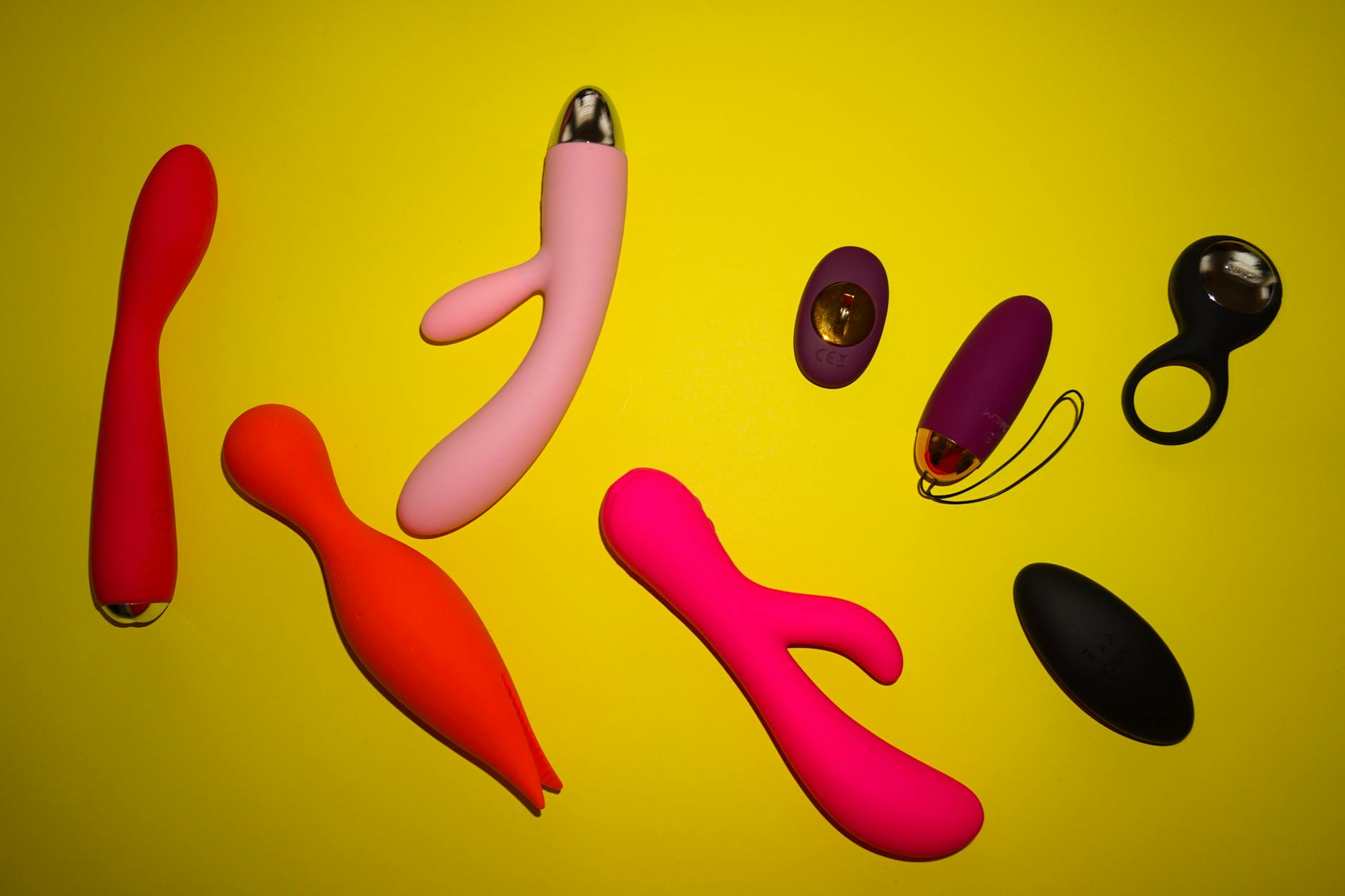
Photo by cottonbro studio on Pexels
Maintaining non-sexual intimacy during the dip
When seasonal libido shifts happen, sex often vanishes. But everything else can stay strong.
Use the time when desire is low to build different kinds of closeness. Cook together. Walk in daylight (light therapy actually helps). Touch that isn't sexual: massage, hand-holding, sleeping close. These aren't consolation prizes. They're the foundation that makes sex better when desire returns.
Many couples find that winter is when they talk best. No pressure for sex means fewer power dynamics. You can actually hear each other.
Lemon vibrators exist in this context. They're not a replacement for this work. But they prevent one person's seasonal shift from erasing the other person's sexuality. Your pleasure doesn't have to disappear because theirs did.
When the pattern changes (and you need to notice)
Seasonal shifts are normal. Chronic, year-round suppression of desire is different. If your partner's libido flatlines permanently, the seasonal excuse doesn't hold.
That's when you need a different conversation. Has something changed emotionally? Are they depressed? Is there resentment building? Are they attracted to you? These are bigger questions that lemon vibrators can't answer.
Seasonal dips are predictable and cyclical. If the cycle breaks, something else is happening. Don't let lemon vibrators become a way to avoid that conversation.
The suction advantage during disconnection
Here's the one thing I'll say about the lemon vibrator specifically: suction-based stimulation doesn't require the same mental engagement as other toys. You can use it while your mind is elsewhere, while you're reading, while your partner is watching TV next to you.
During seasons when your partner is present but checked out, this matters. You get sensation and pleasure without needing your partner to perform or even pay much attention. That's honest, and it works.
FAQ: Seasonal desire and lemon vibrators
Why does seasonal darkness make people want less sex?
Short days reduce serotonin production and increase melatonin. Your brain reads darkness as hibernation season. Desire, motivation, and energy all dip. Combined with cold temperatures, which also trigger energy conservation, your body literally wants to move less and produce less. This is particularly pronounced if your partner has any genetic predisposition to SAD.
Can light therapy actually help my partner's seasonal libido?
Yes, but not overnight. Light therapy (30 minutes in the morning with a 10,000 lux lamp) can genuinely help seasonal mood shifts within 3 to 7 days. Mood improvement often precedes libido improvement by a week or two. If your partner is willing to try it, the effect is real. This isn't a magic fix, but it does address the root cause instead of just the symptom.
Is it normal for one partner to want sex year-round while the other doesn't?
Completely normal. People have different baseline drives, and seasonal shifts affect people differently. Some partners barely notice the calendar. Others drop dramatically. This mismatch gets worse the less you talk about it and better the more explicitly you plan around it.
Can using lemon vibrators solo make my partner feel threatened or less needed?
It can, if the context is wrong. If you're using them secretly or resentfully, your partner will sense that. If you're transparent ("I want this for myself, not as a replacement for you"), most partners eventually adjust. The couples who struggle are the ones who treat solo pleasure like a betrayal instead of a natural part of sexual life.
What if my partner wants to participate but their desire is too low to enjoy sex?
Use the lemon vibrator while they're present but not leading. You get pleasure, they get closeness without pressure. This is different from partnered sex, and naming that difference matters. You're saying: "I want you here, but I don't need you to perform." Most partners find this far less threatening than either silence or pressure.
How do I know if my partner's seasonal shift is normal versus depression?
Normal seasonal shifts come and go with the calendar and respond to light and movement. Depression is deeper, more persistent, and doesn't track perfectly to seasons. If your partner has lost interest in everything (not just sex), sleeps much more or less, seems hopeless, or expresses guilt, that's depression, not seasonal variation. Those are different problems that need different support.
Wrapping up: seasonal rhythms are part of long-term love
Your partner's desire will shift. Yours might too. This isn't failure. It's how human bodies work across time and seasons.
Lemon clitoral vibrators aren't a band-aid for deeper disconnection, and they're not an excuse to avoid talking. But they are an honest tool for maintaining your own pleasure while your partner cycles through seasonal changes. They let you stay present in your sexuality without resenting your partner's natural rhythm.
The couples who handle seasonal shifts best aren't the ones who ignore them. They're the ones who name them, plan around them, and maintain touch and pleasure on both sides. Lemon vibrators can be part of that plan.
Your pleasure matters year-round. Your partner's fluctuation is real and biological. Both things are true at the same time. Plan accordingly.