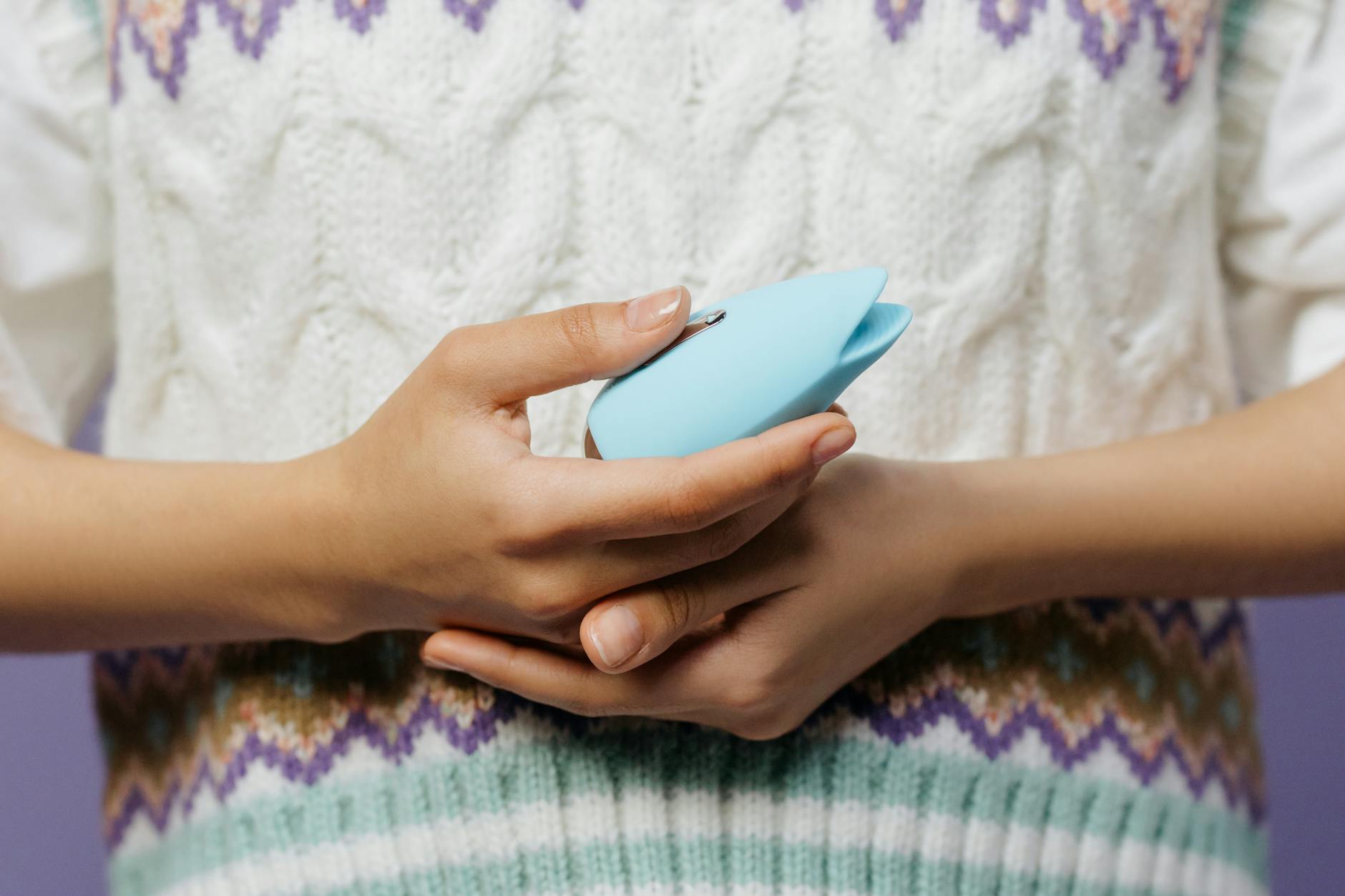
How to Use Lemon Vibrators When Reclaiming Pleasure After Depression
Depression doesn't just affect mood. It disconnects you from physical sensation and erases desire. Here's how to rebuild that connection safely, at your own pace.
Depression is a numbness machine. It doesn't just erase the desire to have pleasure. It erases the ability to feel pleasure. When you're depressed, your brain stops transmitting the signals that make sensation matter. Food tastes like nothing. Music becomes background. And sex, or anything that resembles it, feels like performing a task you've already failed at.
The good news: when depression lifts (through therapy, medication, time, or all three), sensation comes back. But it doesn't come back the way it left. It trickles in. It's uneven. Some days you feel sparks of something. Other days you're back in the fog. That's not a sign you're broken. That's what recovery actually looks like.
If you're here, you're probably in that messy middle. You're no longer in crisis. You're starting to notice that your body exists. And you're wondering if pleasure is something you get to have again. The answer is yes. The path there is gentler than you think.
Depression literally changes how your nervous system works. It dampens dopamine, the chemical that makes reward feel like reward. It floods your system with cortisol, which keeps your body in a low-level defensive state. Your brain is protecting you by numbing you. That's a survival mechanism. But survival mode is terrible for pleasure.
When you're depressed, even the most direct stimulation can feel muffled. People describe it like touching themselves through thick glass. The nerve endings still work. The capacity for orgasm is still there. But the emotional experience of pleasure, the wanting and the anticipation and the relief, those are offline.
This is why generic advice ("just relax" or "think sexy thoughts") falls flat. You're not being asked to overcome shyness or performance anxiety. You're being asked to feel something your brain has deliberately stopped letting you feel. That's not a mental problem to think your way through. That's a neurological state to wait out.
Most people who've been depressed get impatient with themselves. You're better now. Shouldn't pleasure be better too? The answer is not really, not yet, and that's okay.
Start without the goal of pleasure. Start with the goal of sensation. Lie down, clothes on, and do nothing. Notice what your body feels like. Run your hands over your arms. Feel the texture of your sheets. This is not foreplay. This is rehabilitation.
When that feels neutral, try it with clothes off. Again, no goal. No destination. Just your hands on your skin, noticing temperature and texture. If this takes a week or a month, you're doing it right. You're remapping the wires between your body and your brain.
Once touching yourself feels like touching, not like a chore, that's when tools like lemon vibrators become useful. Not before. Too much stimulation too soon feels overwhelming when your nervous system is still fragile.
Lemon vibrators and suction toys work differently than traditional vibrators. Instead of direct vibration, they use gentle suction and pulsing to stimulate the clitoral complex. This matters when you're coming back from depression because suction feels less aggressive than buzz.
It's also more forgiving. If you're numb, direct vibration on numb tissue sometimes feels like buzzing against a wall. Suction creates a different kind of stimulation that can reach pleasure even when sensation is still patchy.
Start at the lowest setting. Not because you're fragile, but because you're sensitive right now. Your nervous system is rewiring. Low stimulation is information gathering. It's your brain learning that this sensation is safe and worth paying attention to.
Give yourself permission to feel nothing. Seriously. Set a timer for five minutes. Use a lemon clitoral vibrator at pattern 1. If nothing happens, that's data, not failure. You're training your body to send pleasure signals again. That takes repetition.
Depression recovery isn't a line up and to the right. It's a scatter plot with better days and worse days. Your pleasure will follow that same pattern. Some weeks you'll feel capable of orgasm. Other weeks you'll feel that old fog creeping back, and sensation will dim.
This is normal. It doesn't mean you're slipping back into depression (though that's worth monitoring with your therapist). It means you're human and your nervous system is still healing.
During the harder weeks, lower your expectations. Maybe you don't use a toy. Maybe you just lie in bed and let yourself feel safe. That's still a win. That's still you prioritizing your own sensations instead of ignoring them.
During the lighter weeks, you might find that lemon vibrators open doors you thought were locked. You might have an orgasm that surprises you. Or you might just feel your clitoris wake up. All of those are real progress.
If you're rebuilding pleasure while in a relationship, you need a conversation that separates two things. One: your body is healing. Two: your desire for your partner might be on a different timeline. Confusing those two topics makes both conversations harder.
You might say: "I'm working on reconnecting with my own pleasure. I'm using tools to help. I don't know yet how that connects to sex with you, and I need time to figure it out."
Your partner doesn't need to be in the room when you're using lemon vibrators. This is your recovery, not a couple's project. But your partner does need to know it's happening and that it's not about them being inadequate. It's about your nervous system learning that it's safe to feel good again.
If you're on an antidepressant, you already know some medications can affect sexual response. SSRIs are famous for this. But here's the thing most doctors don't mention: the numbness from the medication is not the same as the numbness from depression. The medication numbness usually has a plateau. You adapt. You find what still works.
Lemon vibrators often work better with medication-related numbness than without them because the suction mechanism is less dependent on baseline sensation. You don't need to feel a lot to benefit from suction. It creates sensation even when your baseline is low.
If your medication is genuinely blocking all pleasure and your doctor won't adjust it, there are alternatives. But also: don't bail on the medication thinking pleasure will magically return if you stop. The depression will come back, and you'll lose sensation all over again. Work with your psychiatrist. The solution is usually a dose adjustment or a different medication, not quitting.
Some things are too big for toys to fix. If you're still experiencing intrusive thoughts about self-harm, if you can't get out of bed most days, if you're using substances to numb yourself more than you already are, reach out to a therapist or your doctor first. You're not at the pleasure-rebuilding stage yet. You're still in the acute phase, and that's okay. Get support.
If pleasure-building feels like one more task you're failing at, that's depression talking, not reality. Depression makes you feel like you're broken and it's your fault. You're not. Your nervous system is healing. Give it time.
Lemon vibrators are good tools for most people rebuilding after depression. But if you try a few sessions at pattern 1 and they feel overstimulating, you might not be ready yet. That doesn't mean you'll never be ready. It means right now, your nervous system needs even less input.
Go back to hands, no tools. Give it another week or month. Try a clitoral vibrator again when you feel more grounded. Some people need a gentle progression: hands first, then a toy on a very low setting, then working up from there. Your timeline is not anyone else's timeline.
Your pleasure might not feel exactly the way it did before depression. It might feel different. Some people find that the pleasure that comes back is actually richer, slower, more intentional. You stop chasing orgasm and start noticing sensation. That's not a downgrade. That's a different experience.
Other people find that sensation comes back pretty much the same way it was. Either way is fine. You're not aiming for a specific outcome. You're aiming for reconnection. For your body and your brain to talk to each other again. For pleasure to be something you get to have, not something you're failing at.
The Lemon clitoral vibrators and suction toys exist because pleasure matters. Not for performance, not for your partner, but for you. For your nervous system to learn that it's safe to feel good. That's what you're really rebuilding.
There's no fixed timeline. For some people, sensation comes back within weeks of feeling better overall. For others, it takes months. Medication, the severity of the depression, your stress level now, and whether you're in ongoing therapy all affect this. Be patient with yourself. Your nervous system is rewiring. That doesn't happen on a schedule.
If you're actively suicidal or in crisis, no. Prioritize safety and professional help first. If you're depressed but stable, if you're in therapy or on medication that's working, then yes. Using a clitoral vibrator can be part of your self-care, a way of telling your body that you care about its sensation. Just keep your expectations low. You're not trying to feel amazing. You're trying to feel something.
No. This is a myth. Using lemon vibrators doesn't train your body to need toys. It's just a tool. People use vibrators during recovery from depression, then stop, and sensation carries forward. Your body doesn't become dependent. If anything, rebuilding sensation with a tool makes natural sensation easier to access when you're ready.
Tell them. "I need to do this alone for now. It's not about you. It's about me learning that my body is mine again." A good partner will understand. This is about your nervous system, not your relationship. You can reconnect with your partner once you've reconnected with yourself. That's not selfish. That's smart.
If you trust your therapist, yes. A good therapist will see this as part of your recovery. It's self-care. It's you taking an active role in healing your nervous system. If you have a therapist who judges you for this, you might need a different therapist. Sexual recovery is part of healing from depression.
That's okay. You're gathering information. Your nervous system might not be ready yet. Try again in a few days or a week. Or try a different setting on the tool. Or try without any tool at all. There's no wrong answer here, only information about what your body needs right now.
If you're navigating pleasure after depression, you're already doing the hardest part. You're paying attention. You're being gentle with yourself. That's not nothing. That's everything. Your nervous system will catch up. Give it time.
When you're ready to explore tools like the Lemon clitoral vibrator, start low and slow. Your body remembers how to feel good. You're just helping it remember.