How to Use Lemon Vibrators When Sensation Feels Dulled After Medication Changes
Some medications flatten sensation or kill arousal entirely. Here's what's actually happening, why lemon sexual toys can help, and what conversations to have with your doctor.
Antidepressants save lives. So do blood pressure meds, antihistamines, hormonal birth control, and a dozen other medications millions of people need. But here's the part nobody warns you about at the pharmacy: some of them also kill sensation or flatten your ability to feel aroused.
Different drugs work on pleasure in different ways. SSRIs (selective serotonin reuptake inhibitors) like sertraline or fluoxetine are the classic culprit. They're brilliant for anxiety and depression, but they can numb genital sensation and delay or block orgasm entirely. Some antipsychotics do the same. Blood pressure medications sometimes reduce clitoral engorgement. Even antihistamines can flatten arousal by drying out the entire body.
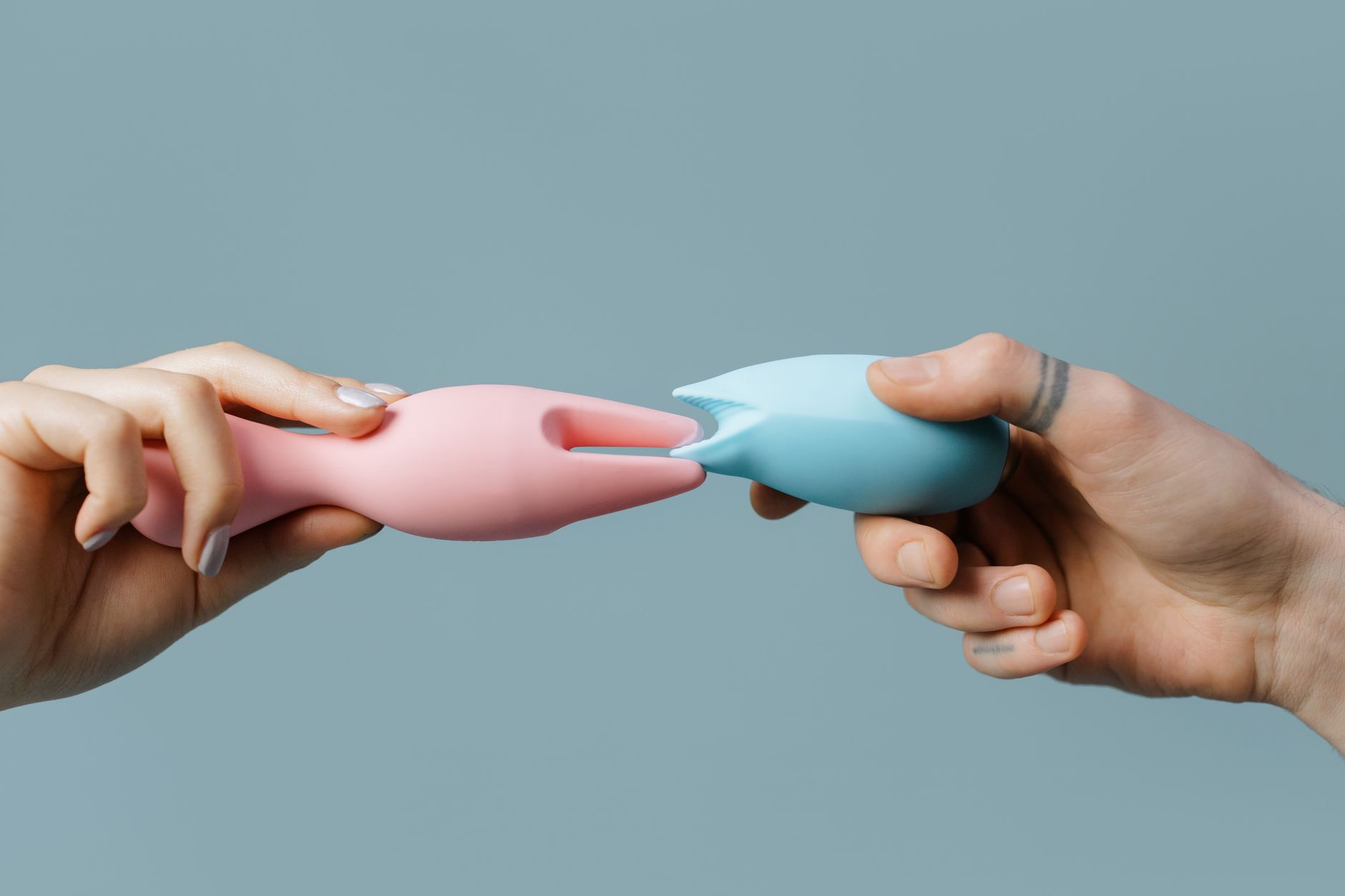
The mechanism isn't mysterious. These drugs alter how your nervous system processes sensation. A clitoral vibrator works differently than manual stimulation because it doesn't require your baseline sensitivity to register pleasure. The rhythmic suction or vibration of something like the Lem creates stimulation that's precise and consistent. Your nervous system can't miss it, even when numbness is in the way.
That's why so many of my clients find that lemon vibrators work when nothing else does. They bypass the dulled sensation problem through sheer stimulus intensity and pattern precision.
Here's the distinction that matters most: medication might flatten sensation, but it doesn't erase wanting. You might still crave intimacy, still want to feel close to a partner, still intellectually know that pleasure used to be good. But your body isn't cooperating.
That's frustrating in a way that feels deeply personal, even though it's entirely chemical. You start questioning yourself. "Am I still attracted to my partner?" "Have I lost interest?" "Is this permanent?" The anxiety feeds the numbness, which deepens the anxiety.
Lemon clitoral vibrators interrupt this cycle because they work at a neurological level below the anxiety layer. The stimulation is strong enough that your brain has to register it. You're not waiting around hoping you'll feel something. You're actually feeling something, which reminds your nervous system what pleasure was supposed to feel like.
Four reasons lemon adult toys are particularly useful when medication dulls sensation:
1. Consistent, targeted stimulation. A vibrator delivers the same rhythm every single time. Your partner's hand, even if they're trying hard, varies slightly. When sensation is already muted, you need that consistency.
2. Intensity you can dial in. Most people using lemon vibrators start at a lower pattern and work up as their baseline sensitivity adjusts. You're in control of how much stimulus hits your nervous system.
3. No performance pressure. With a partner, there's often an unconscious expectation baked in. Using a toy removes that. You're exploring your own body's capacity to feel, not trying to respond on cue.
4. Repetition rewires the pathway. The more you use the vibrator and successfully reach sensation or orgasm, the more your nervous system starts to expect and remember that pleasure. It's not magical. It's neuroscience.
Here's what I tell my clients: do not silently accept medication-related numbness as the price of mental health. It often isn't.
Start a conversation with your prescriber. Be specific. "Since starting this medication, I've noticed genital sensation has dulled" or "Orgasm feels impossible now." Don't downplay it. This is a legitimate side effect that affects quality of life.
Your doctor has options. They might switch you to a different medication in the same class (some SSRIs cause less sexual dysfunction than others). They might adjust your dose. They might suggest adding something that counteracts the side effect. They might recommend timing: taking the medication at night instead of morning so the peak effects hit during sleep.
Most importantly, they need to know this is happening. You can't fix what's never reported.
If your doctor does switch medications, expect adjustment time. Sensation and arousal don't snap back overnight. It can take weeks to six months for your nervous system to recalibrate.
During that period, lemon sexual toys are genuinely helpful. They give you something concrete to do while you're waiting. They remind you that your body can still feel good. They keep the pathway between your brain and your genitals active so that when sensation does return, it's not starting from zero.
I've had clients report that having one successful experience with a vibrator while on medication made a massive difference psychologically. It broke the cycle of "nothing works, so I'm broken." You actually feel pleasure, which proves the potential is still there.
If you're in a relationship, this needs conversation between both of you. Not during sex. Not as an accusation. A calm moment where you say: "My medication is affecting sensation right now. I want us to stay connected, and I'd like to try using a toy together."
Most partners are relieved. They'd rather help explore than watch you suffer in silence. Using something like the Lem together can actually deepen intimacy because you're problem-solving as a team instead of one person trying harder while the other feels guilty.
The partner without numbness might also discover something new. Maybe they find they enjoy the pattern of a lemon vibrator. Maybe it changes how you both think about pleasure. Medical necessity can accidentally become preference.
Sometimes medication dulls sensation, but sometimes it's something else entirely wearing a medication disguise. Stress, relationship distance, depression (even when treated), grief, or just needing to rebuild the habit of pleasure.
If you switched medications three months ago and sensation is still flatlined, it might not be the new drug. It might be that you've stopped trying because you convinced yourself nothing works. Start again. Be patient with yourself.
Likewise, if you've been on the same medication for two years and sensation just tanked last month, something else shifted. That's worth exploring with both your doctor and a therapist if you have one.
Start simple. Get something designed for precise clitoral stimulation. The Lem, for instance, uses suction patterns rather than vibration, which works differently on the nervous system. Some people find that helpful when traditional vibrators aren't cutting through the numbness.
Set expectations low. You might not orgasm the first time. The goal isn't performance. The goal is information. Can you feel this? Does it build over time? Is there a pattern that works better than others?
Give it time. Two weeks minimum. Three weeks is better. Your nervous system needs repetition to remember what pleasure was supposed to feel like.
And keep talking to your doctor. "I'm trying some tools while we figure out the medication piece, but I wanted you to know sensation still feels muted." That information matters for their decision-making.
Most of the time, sensation returns partially or fully once the medication problem is solved. Whether that's a switch, a dose change, or timing adjustment depends on your specific situation. Recovery isn't always 100 percent, but it's usually significant enough that pleasure feels accessible again. Give it time.
No. If anything, it keeps the nerve pathways active. The worry is usually: "If I use a vibrator now, will my body get dependent on it and lose sensitivity to other touch?" That's not how neurological sensitization works. You're not dampening anything. You're creating consistent stimulus while you wait for medication adjustment.
That's a separate conversation from the medication problem. Using a toy doesn't mean your partner isn't enough. It means medication altered your baseline, and you need a tool temporarily. If your partner is resistant, that's worth exploring. Sometimes it's insecurity. Sometimes it's misunderstanding what the toy is for. Honest talk about what you both want helps.
Absolutely not. Your mental health medication is important. The solution is figuring out which medication or dose works for both your mental health and your sexual function. Those aren't mutually exclusive. They just require communication with your prescriber.
Timing is the biggest clue. Sensation dulled shortly after starting or changing a medication? Probably the drug. Sensation dulled gradually over months while nothing else changed? Might be something else (stress, relationship dynamic, depression creeping back). Your doctor can help you parse that.
Yes. Lemon clitoral vibrators use targeted, consistent stimulation that can register even when baseline sensation is muted. They're particularly useful because they don't require you to "feel enough" to experience pleasure. The stimulus is strong and precise enough that it cuts through the numbness.
Medication numbness feels like a failure. Like your body is betraying you. Like pleasure is off the table now. It's none of those things. It's a side effect that's eminently fixable, and using lemon sexual toys during the adjustment period keeps you connected to your own capacity for pleasure while your doctor works on the medication piece.
Reach out to your prescriber. Have the conversation. Explore what works for your body right now. And remember: this is temporary, and it's solvable.
If you're wrestling with this and need guidance, we're here to help. Get in touch and let's talk about what might work for you.