Here's the thing about sensation mismatches
One partner reaches for the strongest vibrator in the drawer. The other winces. You both want pleasure, but your bodies are wired totally differently. This is more common than you'd think, and it's fixable.
The good news: lemon clitoral vibrators, especially air-suction designs like the Lem, give you a way to bridge that gap without pretending one of you doesn't exist.
Why sensation preferences diverge
It's not just personality. It's physiology. Nerve density varies wildly across people. Some vulvas have tighter clustering of nerve endings near the clitoral glans, which means light, focused touch feels overwhelming. Others are more spread out, requiring deeper, more intense stimulation to register pleasure.
Add in medication, hormonal cycles, stress levels, and even temperature sensitivity, and you've got two completely legitimate but opposite needs in the same bed.
My clients often feel guilty about this. They apologize for needing "less" or "more." But here's what I tell them: your nervous system isn't negotiable. It's not a preference you can override with willpower. The fix isn't to change yourself. It's to use tools that let both of you have what you actually need.
The suction versus vibration divide
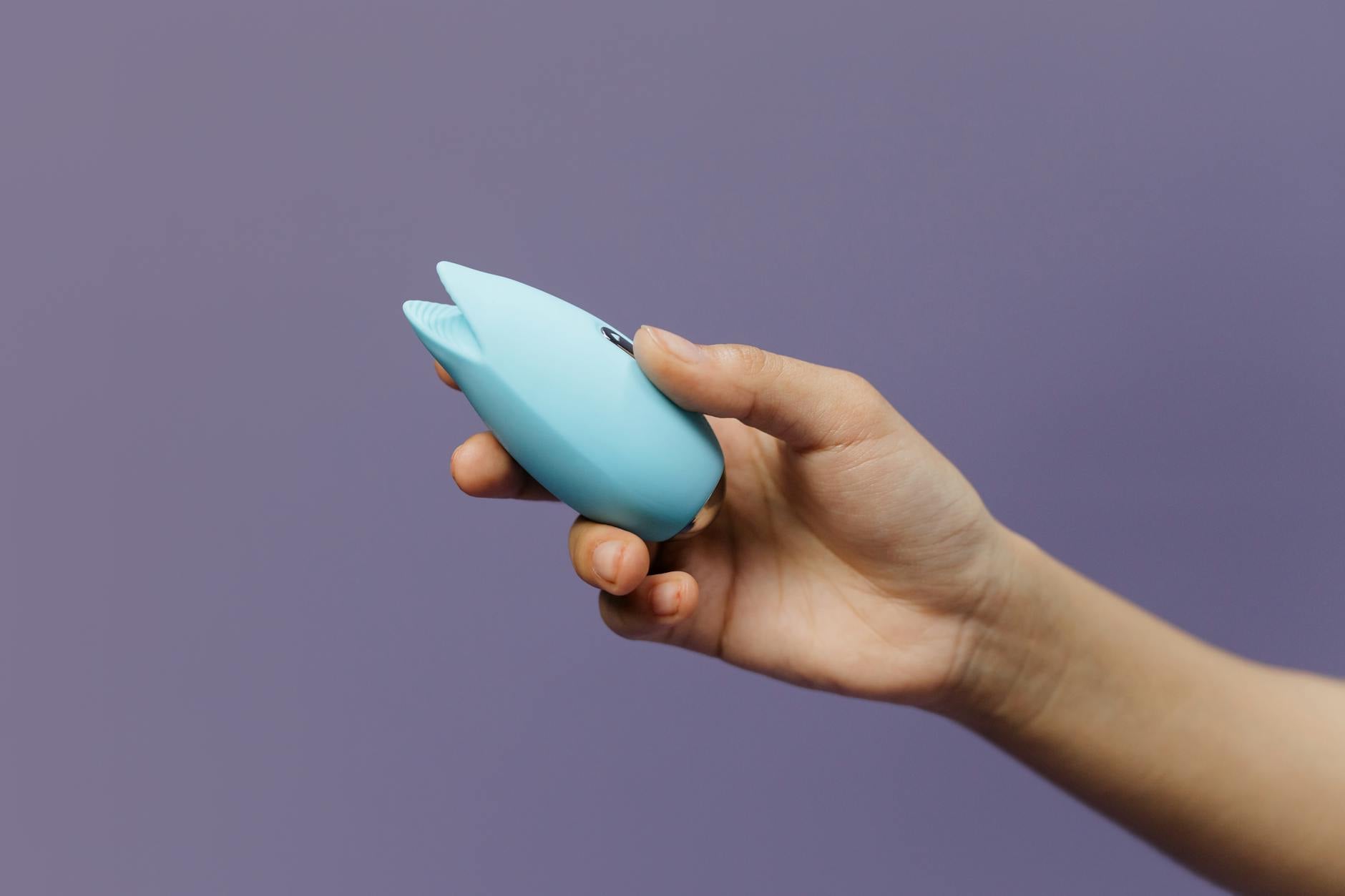
Most lemon vibrators fall into two camps. High-frequency vibration toys deliver rapid, broad stimulation across larger areas. Suction-based toys like the Lem work by creating rhythmic negative pressure, which stimulates nerves differently.
If one partner loves vibration and the other finds it too intense, suction often splits the difference. It's gentler on hypersensitive tissue but still delivers direct, focused pleasure. Think of it as targeted without being overwhelming.
The other option is layering. Your partner uses the vibrator they love. You use a suction toy at a different intensity or even a different location. You're not fighting for one device. You're both getting stimulated in ways that actually work.
Starting the conversation without it feeling clinical
Honestly, naming the mismatch out loud is the hardest part. Most couples dance around it. Someone says "it's too much" or "I need more," and the other person hears criticism instead of information.
Try this: separate the sensation conversation from the arousal conversation. "I want us to build a toolkit where we both feel good" is different than "you're doing it wrong." Frame it as expansion, not correction.
Then get specific about sensation. Not "more intense." More like: "I like pressure that's concentrated on the tip," or "I need broad, lighter waves across the whole area." This is practical information. It removes the ego.
Once you're speaking the same language, the tool question becomes simple. "Let's find a toy for you and a toy for me that both work in the same session."
The pairing strategy that actually works
If you're using lemon clitoral vibrators, The Lem itself comes with multiple suction intensities. Partner A starts at setting 3 or 4 (lighter). Partner B moves to setting 7 or 8 (stronger). You're using the same toy, different power levels, same time.
Or bring two toys. One partner gets a traditional vibrator. The other gets the Lem's suction pattern. You're stimulating the same area in different ways, which feels like coordinated intimacy instead of one of you waiting around.
The third option: sequence it. Your partner gets what they need first. Then you switch to what serves you. Many couples find this actually increases arousal, because you're genuinely watching your partner experience pleasure, which is its own turn-on.
What to avoid when sensation needs differ
Don't sacrifice your pleasure to match your partner's speed. If they want intensity and you need gentleness, using only their toy teaches both of you that your nervous system doesn't matter. That resentment builds quietly.
Don't assume one need is "normal" and the other is broken. Sensitivity exists on a spectrum. Neither end is right or wrong.
Don't introduce toys as a criticism. "You're not doing enough" is different than "I want to explore this together." The framing changes everything.
Building pleasure compatibility over time
Sensation preferences aren't fixed. They shift with stress, arousal level, time in your cycle, even the weather. What felt too intense three months ago might feel perfect now. Stay curious instead of locked into roles.
Experiment with timing. Morning arousal feels different than night arousal. Sometimes changing when you engage shifts what intensity works. Some partners find that extended foreplay makes intense sensation feel good, while rushing into it makes gentleness feel better.
If you're using lemon vibrators, experiment with patterns, not just intensity. The Lem has multiple pulse modes. Try moving the toy slightly, angling it, or combining it with manual touch. You might find a sweet spot where both preferences actually converge.
The goal isn't matching sensation needs. The goal is designing pleasure so both of you feel valued.
When sensation differences reveal deeper mismatches
Sometimes a sensation mismatch is just a sensation mismatch. Sometimes it's a proxy for something else. "I need more intense stimulation" can mean "I'm not feeling emotionally connected." "This is too much" can mean "I'm anxious" or "I don't trust where this is heading."
If your conversation keeps circling back to frustration instead of moving toward solutions, that's worth exploring with a couples therapist or sex-positive counselor. The toy isn't the real issue. The tool just reveals where the communication needs work.
But most of the time, it's exactly what it sounds like. Two bodies with different wiring. Two clitoral vibrators (or intensity levels) that respect both. And a willingness to say "your pleasure matters as much as mine."
FAQ: Sensation differences and lemon vibrators
Can one partner use a lemon clitoral vibrator while the other uses something different?
Absolutely. You're not required to use the same toy. One person might use the Lem's suction, while their partner uses a vibrating wand. They're happening simultaneously, on the same body or different bodies, at different intensities. As long as both people are experiencing what they actually need, it works.
What if my partner thinks using two toys means I'm not satisfied with them?
This is an emotional conversation, not a toy conversation. Reassure them that toys aren't about their adequacy. They're about your nervous system's wiring. Their touch is still essential. The toy is an amplifier, not a replacement. Many couples find that introducing shared pleasure tools actually deepens intimacy, because you're both invested in each other's satisfaction.
Is suction or vibration better for people with different sensation needs?
Neither is universally better. Suction tends to feel gentler and more targeted, making it useful for people who find traditional vibration overwhelming. Vibration covers a wider area, which works for some. The answer is: try both. Your body will tell you what lands.
How do I know what intensity to start with on a lemon vibrator?
Always start low. You can turn it up. You can't unfeeling what you've already felt. Set 1 or 2 to explore, then build. Your partner should do the same independently, not based on what they see you doing. Everyone's baseline is different.
What if my partner wants intense vibration and I hate vibration altogether?
Suction-based toys like the Lem are often a bridge here, because they don't vibrate in the traditional sense. If even that doesn't work, you genuinely might have non-overlapping sensation needs. One solution: your partner uses vibration during their solo time or in a way that doesn't involve your body. You find what works for you. You come together with toys you both enjoy. This is why having options matters.
Can sensation needs change in a long-term relationship?
Yes, constantly. Stress, hormones, medications, age, arousal level, and emotional connection all shift what your body wants. Stay in conversation about it. What felt wrong two years ago might feel perfect now. Curiosity beats assumptions.
The bottom line
Sensation mismatches aren't relationship problems. They're design challenges. Your bodies want different things. That's not a failure. That's information. Use it to build a pleasure toolkit where both of you actually feel seen. Lemon clitoral vibrators, especially with multiple intensity levels, give you that flexibility. One device, two needs, zero compromise.